백자예찬 : 미술, 백자를 품다
Admiration of White Porcelain
4.18 - 8.31
서울미술관 Seoul Museum (D-5)
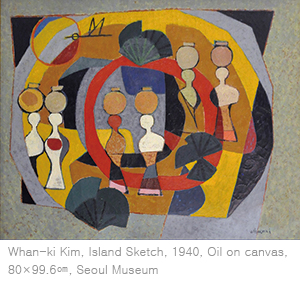
조선백자는 그 담백한 격조로 인해 ‘한국적 미’에 관한 논의에 적극적으로 활용되었고, 한국근현대미술사에서 전통적 이미지의 상징으로 끊임없이 등장해왔다. 특히 1930년대 중반 이후 상당수 미술가의 작품에 재현되었으며, 이는 현재를 살아가는 동시대 미술가들의 작품에서도 지속하고 있다. 우리 미술에 나타난 조선백자의 흔적을 따라가 보는 ‘백자예찬 : 미술, 백자를 품다’는 전통 백자의 숨결을 재조명해보고, 전통의 미학과 동시대의 미학이 우리 미술에 어떻게 조화를 이루며 표현되고 있는지를 살펴보고자 기획되었다.
1950-60년대 백자를 모티브로 하여 그 형태와 선을 고스란히 담아낸 작품들에서부터, 백자가 상징하는 높은 정신성을 조형화한 작품들, 백자의 미학을 추상의 어휘로 표현해낸 1970년대 단색조 회화 작품들 그리고 다양한 형태와 의미로 백자의 숨결을 불러낸 동시대 미술 작품들과 전통백자의 맥을 이어오는 현대도예 작품들에 이르기까지 다양한 시대를 배경으로 한 각각의 작품들은 조선백자의 깊은 미감을 드러낸다. 동시에 백자로 표상되는 우리 민족의 고유한 정서를 재현한다. 꾸밈없는 덤덤한 색상과 어수룩하지만 당당한 기형미, 욕심내지 않음으로 얻어지는 자연스러움 등 우리 백자가 갖는 미학적 우수성 그리고 이를 계승하거나 변용해 낸 우리 근현대 미술가들의 예술적 성취를 통해 전통미학의 현대적 가치와 가능성을 가늠해 볼 수 있을 것이다.
‘백자, 스미다’, ‘백자, 번지다’, ‘백자, 이어지다’ 세 개의 부분으로 구성된 이번 전시는 김환기, 도상봉을 비롯한 근현대작가들부터 현대도예 명장들에 이르기까지 27명의 미술가들이 대거 참여한다.
Seoul Museum’s the first exhibition of 2014 ‘Admiration of White Porcelain’ celebrates the simple but esthetic beauty of white porcelain and how it later inspired Korean artists and modern ceramists. Seoul Museum pursues the harmony between tradition and modernity by exhibiting 56 art pieces including as ceramics, drawing, painting, sculpture, crafts, photography, and video.
White porcelain called “Baekja” in Korean identified as the essence of Korean traditional beauty is known for its deepness of white color, simplicity, and subtlety. White porcelain has been praised for the centuries because of its representation of Korean Confucian ethics such as frugality and pragmatism which were highly emphasized by intellectuals of the Joseon period. Moreover, it became a source of inspiration for modern and contemporary artists.
In this exhibition, 27 artists pays cheerful tribute to the white porcelain and its inexpressible values by putting creativity and inspiration into their art pieces. The exhibition is organized in three parts ‘White Porcelain : Infused’, ‘White Porcelain : Diffused’, and ‘White Porcelain : Continued’ between Intro and Outro that each highlight works of artists from the early 1930s to the 2010s, the influence of white porcelain across modern and contemporary art genres and the influence of traditional styles in today’s ceramic works.