
경계 위에서 벌어진, 경계를 넘나드는 현대미술 축제
리얼DMZ 프로젝트 2015 전 (2015.8.29.–-11.29, 아트선재센터 1, 3층, 한옥, 정원)
이선영(미술평론가)
아트선재센터에서 열린 ‘리얼디엠지 프로젝트 2015’전은 2012년에 시작되어 해방 70주년을 맞는올해가 4회째다.이 전시는 ‘동송세월(同送歲月)’전(8.13--8.23)에 설치된 작품들과 비무장지대에 관심을 가져온 작가들이 함께 한 것으로, 총 53명(팀)이 참여하였다. 작품의 많은 부분을 차지하는동송세월 전의 작품들은 강원도 철원군의 DMZ 접경 마을인 동송(同送)의 상점, 성당, 갤러리, 시장, 카페, 터미널 같은 실제공간에 먼저 설치된 것들이다. 어떤 지역에서 먼저 선보였든 간에, 비무장지대의 장소성과 역사성을 고민한 흔적들이 역력하다. 이렇게 국내외의 수십명의 작가가 참여하면서도 전시의 일관성을 유지할 수 있는 주제는 흔치 않다. 대개의 그룹전이 전시 주제의 맥락과 무관하게 평소의 자기 작품을 늘어놓는 경향이 적지 않음을 생각할 때, 분단에 관련된 이슈가 가질 수 있는 응집력이 얼마나 강한지 알 수 있다.
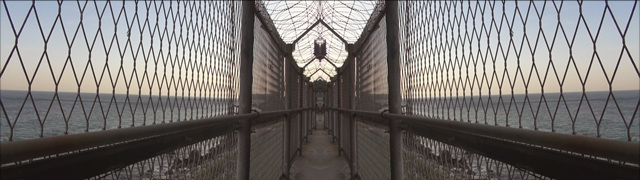
김도희(* 이하 사진 출전--아트선재센터)
동송에서의 전시가 지방 소도시의 일상 공간에서 스며들 듯 벌어진 공공예술의 성격이 있었다면, 미술관에서의 전시는 화이트 큐브라는 중성적 공간에서 펼쳐지는 것인 만큼, 하나의 주제를 해석하는 다양한 형식들이 두드러진다. 현장의 맥락에서 떨어져 나온 작품들은 화이트 큐브에서는 추상적으로 보일 수도 있다. 그러나 일주일을 사이에 두고 열린 연계전시라는 점, 그리고 전시장에서 비교적 충분히 제시된 작가의 의도 등을 읽어보면,행사에 관한 전체의 지도를 그리는데 큰 어려움은 없어 보인다. 한반도에서 분단은 수없이 반복되어도 고갈되지 않을 사회적, 역사적 주제일 것이다. 그것은 언젠가 통일이 된 후에도 두고두고 회자될만한 주제이다. 현대예술을 몰라도 한국인이면 누구나 수긍할 수 있고, 세계 유일의 분단국인 한국에 대해세계인이 관심을 가질만한 거의 유일한 주제인 것이다.
분단과 통일이라는 주제는 얼마 전까지도 확실했으며 지금도 잠재적으로 전선이 그어져 있는 좌우로 나뉜 문화진영의 한쪽 계파가 독점하다시피 한 대표적 주제였지만, 건축가, 시인, 문화 기획자같은다양한 직업과 여러 나라의 작가들의 참여, 그리고 설치나 영상같은 현대미술의 어법이 대거 투입된 방식으로 보니 색다른 느낌이다. 민족과 민중, 그리고 대중이 아니라 다중의 시대, 그에 걸맞는 패러다임으로 분단과 통일이라는 화두 역시 변모될 필요가 있다. 이 전시는 내용이냐 형식이냐의 해묵은 대립을 넘어서, 강한 주제야 말로 다양한 형식 실험을 돋보이게 할 수 있다는 역설도 보여준다. 소위 ‘진보’와 ‘보수’로양분된, 한국의 문화예술계에 현실적으로 또는 잠재적으로 그어진 이항대립의 논리는 분단현실만큼이나 억압적이다. 이항대립은 겉으로는 대립하는 듯 보여도 결국은 같은 논리를 가진다.
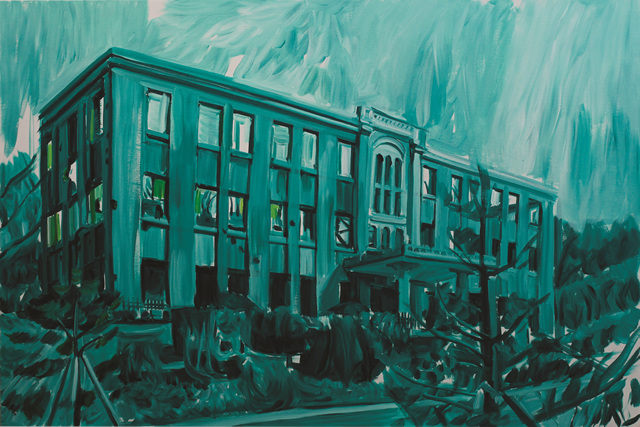
최진욱
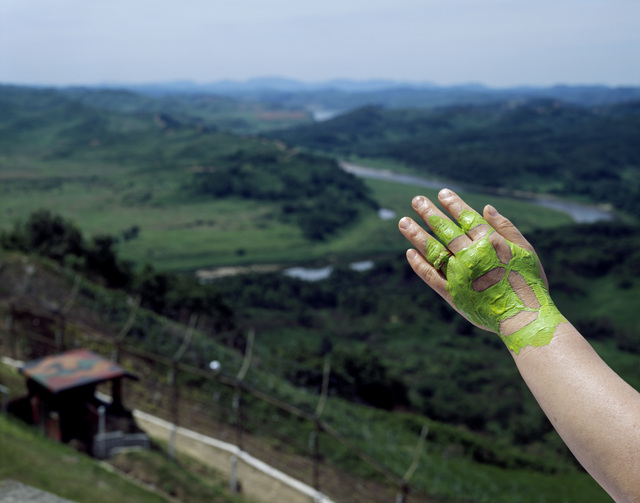
Tatsuo Miyajima
그 두 기둥은 질곡의 현실을 더욱 굳건하게 버텨주는 것이다. 이러한 이항대립은 평화가 아닌 끝없는 경쟁과 전쟁을 낳으며, 그것은 부정적인 의미에서만 예술에 영감을 준다. 현대미술은 형식적으로는 진보적이지만, 다수의 대중이 이해하기 힘들며 제도의 한 켠에 자리하고 있다는 점에서 보수적으로 보인다. 한국에서 대학이라는 제도를 중심으로 공전하는 현대미술의 양상 또한 그러한 혐의를 짙게 하였다. 계몽주의와 현대미술만큼 거리가 먼 담론도 없는데, 한국에서 현대미술은 계몽의 대상이 되어왔다는 점이다. 그 점은 ‘보편적’ 지식인이 민중과 민족을 이끈다는 반대진영의 논리를 짝패처럼 복사한다. 그러나 현대미술은 하나나 둘이라는 중심이 아니라, 다(多)중심이라는 잠재적으로 혁명적인 인자를 가진다. 이러한 다중심의 방향성은 서사 면에서 다소간 이해하기 어려운 양상을 보여주지만, 동시에 지방 소도시의 터미널이나 시장에서의 전시를 가능케도 한다.
중심/주변의 관계는 물론, 경계가 있다면 그 경계를 넘나드는 것이 바로 현대미술이다. 남한과 북한, 그리고 세계의 평화에도 큰 부담이 되고 있는 분단현실을 극복하자는 담론에 현대미술만큼 적합한 것도 없다. 먼저 전시가 열린 동송 지역 자체가 해방 직후 북한의 영토였다가 정전 후에 다시 남한에 속하게 되는 등 엎치락뒤치락하는 역사를 가지고 있으며, 휴전선을 전후로 펼쳐진 비무장지대 역시 그 누구에게도 온전히 속할 수 없는 모호한 영역으로 아방가르드의 무대가 될 만하다. DMZ는 태풍의 눈처럼 고요하지만, 언제라도 폭풍을 일으킬 수 있는 무대가 될 수 있다. 작품에 반영된 비무장지대 접경지역은 시간이 정지된 듯 고요하여,세계의 어느 지역보다도 전쟁무기가 조밀하게 배치되어 있는 전략적 요충지임을 잠시 잊게 한다. 적과 대치하고 있는 그 지역은 여러 제한 때문에 남한지역의 빠른 물질적 성장과 무관하게 시간을 멈춘 채 있지만, 겉보기와 다른 긴장감이 도사리고 있으며, 이는 현장의 작가들이 포착한 주요정서이다.
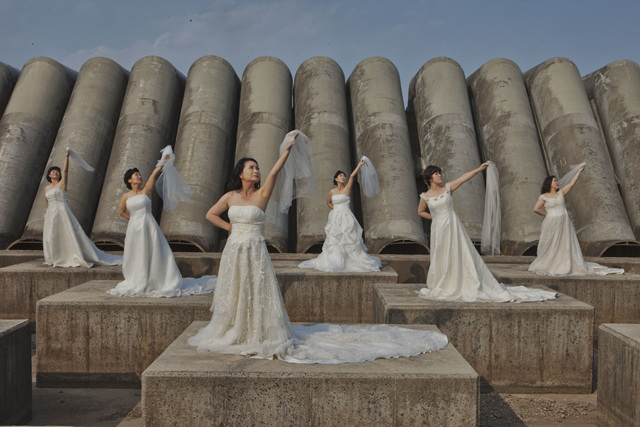
조영주
 유목연
유목연
먼저 눈에 띄는 것은 분단 현실의 단면을 드러내는 풍경이다. 김도희는 해안의 철책 길을 따라가는 카메라의 시선을 무한히 되풀이 함으로서 끝나지 않은 전쟁을 상징한다. 최진욱은 폐허로 남은 역사의 현장을 어떠한 온기도 남아있지 않은 썰렁한 모습으로 그렸으며, 이해민선은 노동당사를 찍은 사진을 화학약품으로 녹여서 그림으로 만들었다. 돌처럼 뭉개져 버린 건물 이미지는 문화를 자연화한다. 권용주는 한민족의 영산으로 간주되는 백두산 천지의 사진과 공사현장의 시멘트 더미와 중첩시켜 분단이라는 무거운 담론을 키치풍으로 변조한다. 역사는 땅과 몸에 새겨진다. 김태동은 총알자국 선명한 벽을 통해 역사의 미시적 흔적을,다츠오미야지마는 DMZ 접경지역에서 지역민과의 워크숍을 통해 의미있는 숫자를 몸에 새긴 사진을 보여준다. 조영주는 관광화 된 안보를 해설해주는 지역여성들에게 웨딩드레스를 입혀지역의 여러 장소에서 춤을 추게함으로서 초현실주의처럼 보일만큼의 시대착오적 관례를 풍자한다. 진철규가 동송에서 날린 공기연은 남북긴장을 야기시키곤 하는선전용 기구를 떠올린다.
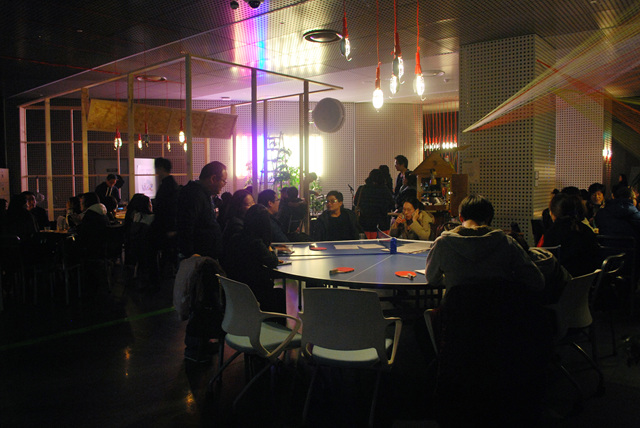
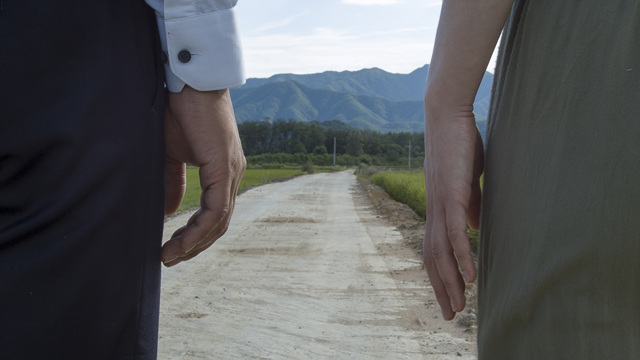
박경진이 그린 혼란스러운 병사들은군대같은 엄격한 규율사회의 이면을 보여준다. 이러한 사회속에서 빈발하는 사고는 적이 아니라 스스로와 싸우는 전쟁의 양태를 말해준다. 고영택은 이상적인 한 쌍이 그러하듯이, 마주보는 둘이 아니라미래를 향해 나란히 가는 여정을 통해서 통일에 대한 바람직한 비전을 제시한다. 홍이현숙의 작품은 침략이나 이데올로기의 선전도구가 될 수 있는 땅굴을 악기연주 하듯 변주했다. 유목연은 소박한 국수 한그릇에 담겨있을 평화에 대해 생각한다. 3개의 테이블이 조합된 탁구대는 분단과 통일이 남과 북 둘만이 아니라 복잡하게 얽힌 문제임을암시한다. 분단의 와중에 생태계의 보고가 된 땅에 대한 작품들은 분단의 극복이 어떤 방식이어야 할지 예시한다. 서로가 서로에게 속한 상호공존의 생태적 고리에서 나와 타자를 나누고 지배하려는 전쟁의 사고는 자리 잡을 수 없기 때문이다. 허수빈은 곧 부화할 듯한 공룡알을 통해 금기의 땅이 보유하는 잠재력을 보여주며, 김현아는 거기에 서식하고 있을 생태적 희귀종들을하나하나 호명한다.
고영택
Borderless contemporary art
The Real DMZ Project 2015
Lee Sun Youngon art practicethat sheds light ondivision/reunification
The event commemorates 70 years since Korean independence from Japan, as well as the division of Korea. Up until recently, the issue of division and reunification has been dominated by the political and cultural dictum of either the far left or right, and this rivalry between political extremes still controls the issue. This exhibition, however, has gathered architects, poets, cultural organizers, and people of various other professions to team up with artists of diverse backgrounds, some of whom are from abroad, and have engaged over many years with this same theme, resulting in fresh and original perspectives expressed mainly through installations and media technology.
We need a new frame of dialogue to address the issue of division and reunification as a nation and populace, one that befits an era of diversity rather than a single mainstream. The Real DMZ Project 2015 proves that an unyielding and singular topic can actually spawn a variety of experimental formats and in doing so also surpass the hackneyed battle between content and format. The political dichotomy of progressive versus conservative that controls Korea's cultural and artistic community is as oppressive as the Korean division itself. Such a dichotomy may appear to have two sides, but a closer look actually reveals them as possessing the same logic.
Korea's contemporary art scene is largely dependent on the institutional stronghold of universities and while its forms of contemporary art may be avant-garde and progressive they are often inaccessible to the general public, forming an esoteric institution that is actually quite conservative. Contemporary art, however, is centredaround not one or two figures but a collective of artists, giving it massive potential for innovation. This multi-faceted effect makes it difficult to understand as a narrative, but it can also grace a bus terminal or marketplace in a small town in the countryside.
The town of Dongsong became South Korean territory after the armistice of the Korean War, but it was a part of North Korea directly after the end of Japanese colonization, giving it a complex historical character. Furthermore, the DMZ itself is a no-man's land, a purgatory that belongs to no one, making it the perfect stage for the avant-garde. The borderlands near the DMZ that are portrayed in the exhibition are serene, seemingly frozen in time, making it possible to momentarily forget that it is the world's most heavily fortified border, a region of strategic military importance.A closer look reveals an extreme state of tension, something the exhibition's artists have chosen to focus on.
Depicting the stark reality of Korean division, Kim Dohee followed a trail of barbed wire along the coast and filmed her journey with a video camera; by displayed the resulting video on repeat, she depicts a senseless, never-ending war. Choi Gene-uk depicts a historical wasteland that is desolate and without any remaining vitality. LeeHaiMinSun chemically broke down photographs of the former headquarters of the North Korean Labor Party and recrafted them by hand. An image of a demolished building resembling crushed rocks immediately returns human civilization to the basics of nature.
By layering a photograph of Lake Cheonji on Mt. Baekdusan, often considered the sacred mountain of the Korean people, over an image of a cement pile from a construction site, Kwon Yongjuturns a normally heavy subject into piece of kitsch. History is written into the land and our bodies. Kim Taedong depicts small but undeniable traces of history by depicting a wall full of bullet-holes, while Tatsuo Miyajima held a workshop with residents who live near the DMZ, producing a photo series capturing people with significant numbers written onto their bodies. Youngjoo Cho outfitted female DMZ guides, whose job is to convert a grave matter of national security into casual tourism, with wedding dresses and had them dance in various spots throughout the region, producing a surreal effect that satirizes anachronistic customs. Jin Chulkyu's balloon-kite is reminiscent of machines used to propel propaganda leaflets across the border, which only serve to exacerbate tensions.
The chaos of soldiers depicted by Park Kyung Jin shows the underbelly of rigid and militaristic institutions. The rampant accidents that occur within such institutions show that we are not really at war with an enemy so much as we are fighting ourselves. Ko Young-taeg's video offers a vision of reunification, depicting a walking couple looking ahead toward the future, as opposed to facing each other. HongLee Hyun-sook's video portraysan underground tunnel that could have been used for an invasion or spreading ideological propaganda, converting it instead into an artistic statement. YooMokyon reflects on peace as if it were no more than a simple bowl of noodles. Using a structure made of three ping-pong tables, Yoo implies that division and reunification is a complex issue involving several elements, and is about more than just the two parties of north and south.
The exhibition's artists hint at what is necessary to overcome Korean division by portraying a land that has become an ecological repository in the midst of a political divide. Two mutually dependent parties who were born in the same ecological system can get nowhere by trying to control and own each other. By depicting dinosaur eggs on the verge of hatching, Heo Su Bin portrays the dormant potential of a land thatwhere humans are on the wholeabsent, while Kang Hyunah captures the rare species that have managed to thrive on such land.
출전; Artlink 2015년 12월
